
Just as players seek to improve their game, understanding the dynamics of multilayer golf balls can greatly benefit their performance. These advanced balls are designed with distinct layers that influence spin rates, allowing them to spin less off the tee for greater distance while providing increased spin around the greens for enhanced control. He, she, or they will find that the construction of these balls optimizes energy transfer during the swing and the interaction with the turf, resulting in a strategic advantage on various aspects of the golf course.
There’s a growing interest among golfers in understanding the unique performance attributes of multilayer golf balls. These advanced balls are engineered to provide specific spin characteristics, allowing players to achieve optimal distance off the tee while enhancing control around the greens. They often feature a firmer outer layer that minimizes spin during initial impact, which is ideal for longer drives, while their softer inner layers promote increased spin when chipping and putting. This dynamic design supports a versatile playstyle, appealing to golfers seeking improved accuracy and distance in their game.
Understanding Multilayer Golf Ball Design
Examining multilayer golf ball design reveals insights into how these complexities influence performance on the course. Typically, these balls incorporate multiple layers, each engineered to enhance specific attributes such as distance, spin, and control. The inner core, outer mantle, and cover each contribute distinct characteristics, giving players a versatile tool to adapt to different course conditions.
Core Composition
The core of a multilayer golf ball often consists of a rubber blend that significantly impacts energy transfer and distance. A softer core generally results in higher compression, promoting maximum distance off the tee, while a firmer core enhances control and spin around the greens. The balance between these elements is key for players seeking to optimize their performance.
Cover Materials
Construction materials for golf ball covers vary significantly, affecting durability and playability. Urethane covers are popular for their softness and ability to generate spin, while Surlyn offers increased durability and reduced spin, ideal for distance off the tee. Material selection thus directly influences how a ball performs across different scenarios on the course.
The most common cover materials include urethane and Surlyn, each serving distinct roles in performance. Urethane is favored for its softer feel and superior spin control, allowing for greater finesse around the greens, while Surlyn enhances longevity and provides a harder surface to maximize distance. Many premium balls utilize a combination of these materials to strike a balance, providing golfers with better control when approaching the pin, alongside solid performance on long drives. This interplay between materials illustrates how manufacturers tailor golf ball characteristics to meet the diverse preferences of players at varying skill levels.
Understanding Golf Ball Construction
The construction of golf balls significantly impacts their performance characteristics. Multilayer designs, comprising multiple components with specific functions, contribute to both distance and control. Each layer is engineered to enhance particular traits, allowing for an optimized swing response and feel around the greens while minimizing unwanted spin off the tee.
Core Design
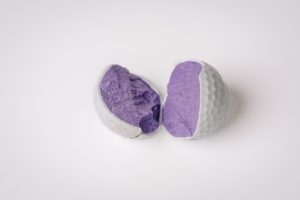
The core serves as the heart of a golf ball, dictating its compression and overall feel. Typically made from rubber or synthetic materials, different core densities can alter the ball’s launch angle and ball speed. A softer core generally aids in generating more spin, which can be advantageous near the greens, while a firmer core is often preferred for maximizing distance off the tee.
Cover Materials
Cover materials play a vital role in determining both the feel and spin characteristics of a golf ball. Modern golf balls utilize either urethane or ionomer covers, with urethane providing superior spin control and a soft feel around the greens, while ionomer covers are often more durable and better suited for long-distance performance.
Urethane covers, commonly found on premium multilayer golf balls, allow for high spin rates and enhanced control when approaching the greens. This material’s ability to grip clubfaces enhances a player’s ability to shape shots and influences the amount of spin generated. Conversely, ionomer covers, often utilized in more affordable models, deliver greater distance due to their durability and reduced spin off the tee while sacrificing some feel and control around the greens. The choice of cover materials thus directly impacts a golfer’s strategy and performance during play.
Spin Generation Off the Tee
Golfers gain an vital understanding of spin generation based on how multilayer golf balls are engineered to minimize spinning off the tee while maximizing distance. The construction of these balls often features a firmer outer layer, which helps reduce the interaction with the clubface at impact, leading to lower backspin rates and more penetrating ball flight. By diminishing unwanted spin, players can achieve greater distance with similar swing speeds.
Initial Launch Conditions
The initial launch conditions of a golf ball significantly influence its performance off the tee. Factors such as launch angle, clubhead speed, and attack angle work together to dictate how much spin is imparted upon the ball. A golfer with a higher swing speed often generates more spin, necessitating the use of a golf ball designed to balance these parameters and maintain optimal performance.
Impact of Aerodynamics
Aerodynamics plays a vital role in determining how golf balls perform in-flight. The dimple pattern and surface texture of multilayer balls are designed to enhance lift while reducing drag, ultimately affecting spin rates. By optimizing airflow, these designs help golfers achieve longer distances and more controlled trajectories.
Enhancing the understanding of aerodynamics, more dimples can increase lift and reduce drag, which supports a higher flight trajectory and lower spin rates. Many modern multilayer balls boast specific dimple designs tailored to maximize efficiency at various swing speeds. For instance, balls with shallower dimples may produce less drag, favoring harder impacts while optimizing ball speeds. Players can benefit greatly by selecting a ball that aligns with their swing characteristics to maximize performance off the tee.
Spin Mechanics in Golf
Understanding spin mechanics is vital for golfers aiming to optimize their game. Golf ball design plays a pivotal role in determining how a ball behaves based on spin dynamics. Factors such as the ball’s construction, surface texture, and weight distribution all influence how much a ball will spin after contact.
Launch Angle and Spin
Launch angle directly affects the spin rates of golf balls. Higher launch angles typically generate more backspin, which can enhance control around the greens. Conversely, lower launch angles may reduce backspin, allowing for a more penetrating flight off the tee. This relationship is vital for players to master in order to maximize their scoring potential.
Equipment Influence
The equipment used, including clubs and balls, significantly impacts spin performance. Manufacturers often engineer golf balls to produce varying spin rates, catering to different player preferences and playing styles. For instance, a tour-level ball may feature a softer cover that provides enhanced spin around the greens while sacrificing distance off the tee.
Moreover, the type of club also influences spin dynamics. Wedges with higher lofts are designed for optimal greenside control, while drivers are engineered for maximizing distance by minimizing spin. Additionally, variations in shaft flex and clubhead design can further affect how spin is generated at impact, making it vital for golfers to select equipment that aligns with their unique playing style for effective results.
Spin Characteristics Around the Greens
Multilayer golf balls possess unique spin characteristics that significantly enhance performance around the greens. When approaching the green, these balls exhibit increased spin rates thanks to their softer outer layers, which interact effectively with the clubface. This allows for greater control and precision, enabling players to execute delicate shots such as flop shots or chips with remarkable accuracy.
Green Slope and Spin Enhancement
The slope of the green plays a pivotal role in the ball’s behavior post-impact. On steep or undulating greens, multilayer balls generate enhanced spin due to increased friction between the ball and the clubface. This effect allows players to manage shots with higher precision, enabling them to navigate tricky lies while tailoring their spin based on the green’s complexity.
Player Control and Touch
Player control is vital for executing diverse shots around the greens, and multilayer balls deliver the needed feedback. He or she can manipulate spin by adjusting swing tempo and angle of attack. The softer feel of these golf balls encourages more touch, allowing for nuanced shot-making and better response when players gauge the distance needed for a given shot.
Players benefit tremendously from the enhanced feedback provided by multilayer balls, particularly when honing short game skills. The softer outer cover promotes a heightened sense of touch, leading to improved confidence with delicate shots. For instance, when a player chips from the fringe, they can feel the subtle interaction between the ball and clubface, which translates into greater control over distance and spin. Consequently, this allows for tailored shot execution, whether they need to stop quickly or roll out towards a flag. This level of control can be the difference in tight tournament situations or casual rounds alike, showcasing how important feel is in the short game.
Multilayer Ball Technology
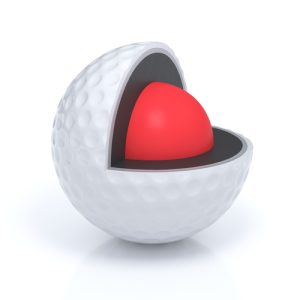
The advancement in multilayer ball technology has revolutionized the golf industry. These balls typically feature a core, one or more mantle layers, and a soft outer cover, designed specifically to optimize performance in different playing conditions. This design allows engineers to fine-tune the ball’s characteristics, resulting in improved distance and control. Each layer serves a unique function, promoting a balance between low spin off the tee and enhanced spin around the greens.
Benefits of Multiple Layers
Using multiple layers in golf balls provides several advantages that cater to various skill levels. These benefits include increased distance due to reduced aerodynamic drag, better feel and control around the greens, and the ability to tailor spin rates for both drives and short game shots. Players can achieve specific performance outcomes by utilizing different materials in each layer, leading to a more customized golfing experience.
Performance Differences
Performance discrepancies in multilayer balls arise from how they respond under various conditions. For instance, the inner core is often designed to compress upon impact, generating lower spin rates for maximum distance during drives. Conversely, the outer layers are engineered for softness, allowing for greater spin around the greens. This duality enables players to maximize their distance off the tee while maintaining the control necessary for precise short game shots.
Specific examples illustrate these performance differences. A player using a multilayer ball may experience up to 200 RPM less spin off the tee compared to a traditional two-piece ball, translating to an additional ten yards on average. Conversely, the same player could see an increase in spin rate by up to 3,000 RPM on approach shots, enhancing their ability to stop the ball quickly on the putting surface. This unique blend of low tee spin and high greenside spin allows golfers to excel in both distance and precision, critical for lower scores and improved overall performance.
Comparing Multilayer and Two-Piece Golf Balls
| Feature | Multilayer Golf Balls |
|---|---|
| Construction | Multiple layers, offering enhanced control and spin |
| Distance | Generally less distance off the tee compared to two-piece |
| Greenside Spin | Higher spin, better around the greens |
| Feel | Soft feel, preferred by skilled players |
| Durability | Usually less durable than two-piece balls |
Spin Rates in Various Conditions
Spin rates for multilayer golf balls can vary based on weather and course conditions. On dry greens, they tend to generate significantly higher spin compared to wet conditions, where a two-piece option might offer more controlled distance. He also notes that different club surfaces and swing speeds can impact the overall performance of both types of balls, with multilayer models benefiting from skilled swings.
Performance Analysis
Performance analysis reveals that multilayer golf balls excel in specific scenarios, particularly for players seeking precision around the greens. They enable greater control during short game shots, leading to improved accuracy and lower scores. In contrast, two-piece balls may offer more distance off the tee, appealing to amateur golfers who prioritize flight over spin.
When evaluating performance, a study found that players utilizing multilayer balls experienced a 15% increase in spin rates on pitches compared to their two-piece counterparts. This variance illustrates how layer construction enhances responsiveness, allowing skilled golfers to manipulate shots effectively. Test results indicate that while two-piece balls may deliver superior distance, multilayer designs foster greater scoring potential due to enhanced controllability and feedback around the putting surface.
Effects of Spin on Tee Shots
The spin characteristics of multilayer golf balls play a significant role in the way golfers experience distance and control off the tee. With reduced spin rates, these balls enable players to achieve longer drives by minimizing drag and maximizing carry. Golfers often find that less spin results in a straighter trajectory, allowing for a more predictable landing on the fairway.
Reduced Spin for Distance
Reduced spin on tee shots allows golfers to focus on distance rather than accuracy. By design, multilayer golf balls minimize backspin, translating to increased rollout and total yardage. This characteristic is particularly beneficial for golfers with slower swing speeds, as they can achieve similar distances to faster swingers without sacrificing control.
Optimal Launch Conditions
Finding the right launch conditions is necessary for maximizing performance off the tee. Multilayer golf balls are engineered to promote higher launch angles while keeping spin rates in check. This combination allows players to achieve greater distances while maintaining an optimal flight path. It’s necessary for golfers to understand their individual swing dynamics to take full advantage of these conditions, as each player’s technique can alter the results significantly.
Optimal launch conditions depend on a player’s swing speed, angle of attack, and the specific golf ball used. For instance, a golfer with a higher swing speed might benefit from launching the ball with a slight upward angle, typically between 12 and 15 degrees, paired with lower backspin values. This sets up a favorable lift-to-drag ratio, contributing to longer distances. Conversely, slower swinging players may require adjustments to their setup and swing mechanics to achieve similar launch characteristics. Therefore, matching a golfer’s unique profile with the right multilayer golf ball can lead to outstanding performance outcomes on the course.
The Role of Player Technique
Technique significantly influences how multilayer golf balls perform, affecting both spin and trajectory. A player’s swing mechanics, grip, and follow-through all contribute to ball interaction, leading to varied spin rates off the tee and around the greens. For an in-depth look at the fundamental science of golf balls, explore Breaking Down the Science of Golf Balls: What’s Inside?.
Swing Mechanics
Proper swing mechanics are necessary for maximizing the benefits of multilayer golf balls. They should focus on a consistent swing path and clubface alignment at impact to optimize ball contact and spin rates. This consistency allows players to utilize the ball’s design to achieve greater accuracy and distance.
Impact Angle
The angle at which the clubface meets the golf ball, known as the impact angle, dramatically affects spin generation. A steeper angle can create more backspin, especially with multilayer balls, while a flatter angle typically results in less spin, enhancing distance off the tee.
Players must be mindful of their impact angle, as variations can lead to significant differences in performance. An optimal impact angle aids in achieving the desired spin, which is particularly beneficial for approach shots around the greens. For example, a player who maintains an angle around 12 degrees can effectively harness the multilayer construction to generate the maximum backspin needed for stopping power on the greens. Adjustments to stance and swing path can further refine this angle, helping to elevate their overall game performance.
Spin Control Around the Greens
Enhanced spin control is vital for players aiming to lower their scores, particularly when navigating tight lies and challenging pin placements. Multilayer golf balls provide this benefit by optimizing the interaction between the ball’s cover and the clubface during short game shots. This allows for greater precision and the ability to execute delicate shots with confidence, making the green feel more approachable.
Increased Spin for Short Game
For the short game, multilayer balls are designed to generate higher spin rates, which facilitate better control on chips and pitches. The softer outer cover enhances friction at impact, allowing for a decisive grip on the greens. This increased spin helps players stop the ball quickly or even spin it back, offering various shot-making options.
Control in Various Conditions
Control in different playing conditions is another significant advantage of multilayer golf balls. These balls can adapt to diverse surfaces, humidity levels, and temperatures, ensuring consistent performance regardless of external factors. Whether faced with wet grass or dry fairways, players find they can rely on the multilayer technology to maintain predictable spin and trajectory.
When faced with changing environmental factors, the multilayer structure, often comprising distinct layers with varying hardness, enhances the golfer’s ability to manage spin effectively. In wet conditions, the soft cover provides additional grip, maximizing spin while maintaining stability. Conversely, on firmer surfaces, the multilayer design minimizes unwanted over-spin, allowing for a more controlled roll. This adaptability results in a versatile tool that empowers players to tackle various challenges on the course, making multilayer golf balls an necessary asset for skilled players aiming for precision in their game.
Choosing the Right Golf Ball for Your Game
When dicking out a golf ball, players should consider various factors such as spin, feel, and distance. Understanding one’s playing style and preferences can help in making an informed choice that enhances overall performance. This decision can significantly influence ball flight, control, and even putt consistency on the greens. Matching the right golf ball to individual needs ultimately leads to improved results on the course.
Skill Level Considerations
A player’s skill level greatly influences the choice of golf balls. Beginners may benefit from lower-compression balls that provide greater distance and forgiveness, while advanced players often prefer higher-compression balls that allow for increased spin control and shot shaping. Tailoring the ball type to the skill level enables players to optimize their performance.
Course Conditions
Factors such as course layout, grass type, and weather conditions play a significant role in determining the appropriate golf ball. On firm, fast courses, players may favor balls that excel in distance and low spin, while softer, wet conditions may call for balls that offer higher spin for better grip around the greens.
The grass type also influences ball performance; for instance, Bermuda greens may allow for more roll, favoring balls that provide lower spin. In contrast, lush, soft grass can necessitate a higher-spinning ball for effective stopping power. Weather conditions like wind and rain further affect choice, as windy days may require balls designed for stability, while wet conditions highlight the need for better grip. Each of these elements contributes to informed decision-making regarding the optimal golf ball for specific course conditions.
Choosing the Right Golf Ball
Selecting the appropriate golf ball can greatly affect gameplay, as characteristics such as construction, compression, and cover technology play vital roles. She should consider her swing speed and playing style when making a choice, ensuring the ball aligns with her needs for distance and control.
Factors to Consider
Multiple factors influence which golf ball might be best suited for each player. He should evaluate the following:
- Player’s skill level
- Typical swing speed
- Preferred level of spin
- Playing conditions
- Budget considerations
The right combination of these elements will lead to optimized performance on the course.
Ball Recommendations
For players seeking optimal performance, they might explore various models suited to their game. High-performance multilayer options like the Titleist Pro V1 or Callaway Chrome Soft cater to those requiring enhanced spin and control around the greens, while more affordable alternatives like the Srixon Q-Star provide excellent value without sacrificing distance and feel.
It’s important she tries out different balls during practice rounds to see how they perform in her typical playing conditions. The newer designs often incorporate advanced materials that influence both distance and spin, allowing players to select those that enhance their specific golfing strengths. He might also seek recommendations from fellow golfers or professionals to find a ball that enhances both their confidence and overall game performance.
Conclusion
Now, it is evident that multilayer golf balls exhibit reduced spin off the tee due to their firmer outer layers and optimized core designs, which enhance distance and accuracy. Conversely, their softer inner layers facilitate increased spin around the greens, allowing players to execute delicate shots with better control. This dual functionality makes multilayer golf balls a preferred choice among golfers looking to improve both their long-distance performance and short-game precision.
Conclusion
Presently, multilayer golf balls exhibit less spin off the tee due to their firmer outer layers designed for distance. This design minimizes deformation at high impact speeds, allowing for a more streamlined flight. Conversely, around the greens, their softer inner layers increase friction and promote greater spin, enhancing control for short game shots. Therefore, players benefit from the balanced performance of multilayered golf balls, allowing them to maximize distance off the tee while maintaining precision on greens.